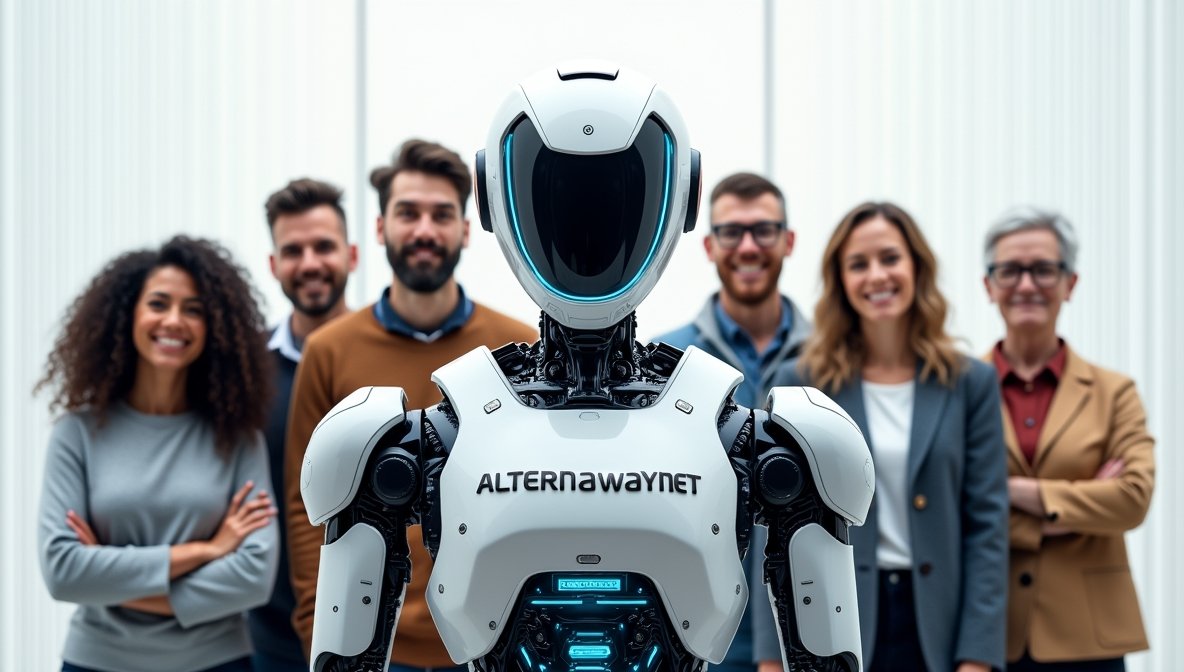
Team Alternativewaynet: Building Stronger Digital Collaboration in Modern Workplaces
The modern digital era has transformed how people work together. Teams no longer rely solely on physical proximity to collaborate effectively. Instead, technology enables distributed groups to share ideas, build projects, and solve problems regardless of location. This transformation has redefined productivity, communication, and organizational culture. Within this landscape, the idea of team alternativewaynet represents a model of collaboration that emphasizes flexibility, shared responsibility, and innovation.
Digital teams operate across time zones and cultural boundaries, creating opportunities for diverse perspectives. Such diversity enriches problem-solving processes by combining different experiences and viewpoints. At the same time, it requires thoughtful coordination and clear systems to avoid misunderstandings. Effective digital teams balance autonomy with structure, allowing members to contribute creatively while aligning with collective goals.
Foundations of Effective Team Structures
Successful teams are built on trust, clarity, and purpose. Every member must understand their role and how it contributes to the broader mission. Clear objectives provide direction, while transparent communication fosters accountability. When expectations are defined, collaboration becomes smoother and conflicts are easier to resolve.
Technology plays a vital role in supporting these foundations. Project management tools track progress, messaging platforms enable instant communication, and shared workspaces store collective knowledge. The framework symbolized by team alternativewaynet highlights how digital systems can support human relationships rather than replace them.
Communication in Distributed Environments
Communication is the lifeblood of teamwork, especially when members are not physically together. Written messages, video calls, and collaborative documents replace face-to-face conversations. Each medium has strengths and limitations, requiring thoughtful use depending on the situation.
Clear writing reduces ambiguity, while video interactions build rapport through facial expressions and tone. Regular meetings help maintain alignment and provide space for feedback. The approach associated with team alternativewaynet underscores the importance of adapting communication styles to suit both tasks and people. alternativewaynet team
Leadership in Modern Teams

Leadership has evolved alongside team structures. Instead of rigid hierarchies, many groups adopt facilitative leadership models that encourage participation and shared decision-making. Leaders act as guides, removing obstacles and supporting growth rather than issuing commands.
In digital settings, leaders must also manage visibility and accessibility. Regular check-ins, transparent updates, and recognition of achievements help maintain motivation. The philosophy reflected in team alternativewaynet suggests that leadership is not a position but a function that can shift depending on expertise and context.
Building Trust and Accountability
Trust is essential for collaboration. Without it, team members hesitate to share ideas or take initiative. Trust grows when individuals consistently meet commitments and communicate openly about challenges. Accountability reinforces trust by ensuring that responsibilities are fulfilled.
Digital tools can support accountability through task tracking and progress reports. However, trust ultimately depends on human behavior. By promoting honesty and reliability, teams align with the principles of team alternativewaynet, where collective success depends on mutual confidence.
Creativity and Innovation Through Collaboration
Collaboration fuels creativity by combining diverse ideas into new solutions. Brainstorming sessions, design sprints, and open forums allow participants to explore possibilities without fear of judgment. Innovation thrives when teams value experimentation and view mistakes as learning opportunities.
The structure associated with team encourages this mindset by prioritizing exploration and adaptability. Rather than rigidly following predefined paths, teams adjust strategies based on feedback and emerging trends.
Conflict Resolution and Healthy Debate
Disagreement is inevitable in any group. Healthy teams address conflict constructively, using it as a source of insight rather than division. Structured discussions, clear guidelines, and respect for different perspectives transform tension into productive dialogue.
Digital communication can complicate conflict resolution due to the absence of nonverbal cues. Therefore, teams must practice empathy and seek clarification before drawing conclusions. The collaborative approach implied by team alternativewaynet values respectful debate as a pathway to stronger outcomes.
Skill Development and Knowledge Sharing
Teams grow stronger when members continuously develop skills and share knowledge. Training sessions, mentorship programs, and documentation ensure that expertise is distributed rather than concentrated. This reduces dependency on individual contributors and builds resilience.
Learning cultures align closely with the ethos of team alternativewaynet, where improvement is ongoing and collective. When individuals teach each other, the entire group benefits from accumulated experience.
Technology as a Collaboration Enabler
Modern tools have reshaped teamwork. Cloud-based platforms allow real-time editing, while automation handles repetitive tasks. Data analytics provides insights into performance, guiding strategic decisions. These technologies enhance efficiency and allow teams to focus on creative work.
Yet, technology alone does not guarantee success. Its value depends on thoughtful implementation and user adoption. The balance between human judgment and digital assistance reflects the guiding idea of team where tools support rather than dominate processes.
Cultural Diversity and Inclusion
Global teams bring cultural richness but also require sensitivity to different norms and communication styles. Awareness of holidays, work habits, and social expectations fosters mutual respect. Inclusive practices ensure that all voices are heard and valued.
Diversity strengthens problem-solving by introducing varied perspectives. By embracing inclusivity, teams embody the collaborative spirit associated with team alternativewaynet, transforming differences into assets rather than obstacles.
Measuring Performance and Progress
Assessment helps teams understand what works and what needs improvement. Metrics such as completion rates, quality standards, and engagement levels provide quantitative insights. Qualitative feedback adds context, revealing motivations and concerns.
Balanced evaluation avoids overemphasis on numbers while maintaining accountability. The strategic monitoring encouraged by team alternativewaynet ensures that growth remains aligned with shared objectives.
Psychological Safety and Well-Being
A supportive environment allows individuals to express ideas without fear of ridicule. Psychological safety encourages experimentation and honest communication. Well-being initiatives address stress and burnout, recognizing that productivity depends on mental and emotional health.
Digital teams must be particularly mindful of isolation and workload balance. By fostering care and understanding, they follow the principles represented by team where people matter as much as results.
Adapting to Change and Uncertainty
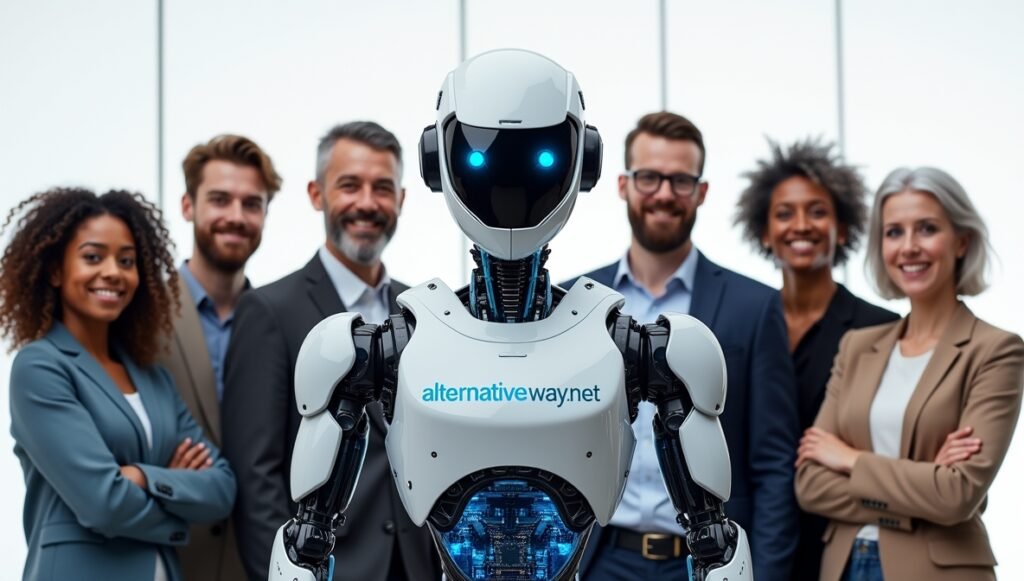
Change is constant in modern organizations. New technologies, shifting markets, and evolving customer needs require adaptability. Teams that respond quickly and learn continuously maintain relevance and resilience.
Flexibility is central to the model symbolized by team alternativewaynet, which emphasizes responsiveness over rigidity. By viewing change as opportunity, teams transform challenges into pathways for growth.
Strategic Planning and Vision
Clear vision unites team members around a common purpose. Strategic planning translates that vision into actionable steps, aligning resources and timelines. Regular review ensures that strategies remain relevant in changing contexts.
Shared vision strengthens commitment and coherence. The planning approach linked to alternativewaynet integrates long-term goals with short-term actions, balancing ambition with practicality.
Ethical Considerations and Responsibility
Teams influence stakeholders through decisions and actions. Ethical standards guide behavior, ensuring fairness, transparency, and respect. Responsibility extends beyond internal operations to social and environmental impacts.
By prioritizing integrity, teams demonstrate trustworthiness. The values associated with team alternativewaynet encourage responsible collaboration that benefits both members and wider communities.
The Future of Team Collaboration
Emerging technologies such as artificial intelligence and immersive environments will further reshape teamwork. Virtual spaces may simulate physical presence, while intelligent systems assist with coordination and analysis. These innovations promise efficiency but also require thoughtful integration.
Future teams will likely blend human creativity with digital intelligence. The adaptable framework represented by team provides a foundation for navigating these transformations with purpose and cohesion.
Conclusion
Collaboration defines success in the digital age. Effective teams rely on trust, communication, creativity, and shared responsibility. Technology amplifies these qualities when guided by human values and clear objectives.
The concept of team alternativewaynet captures the essence of modern teamwork, emphasizing flexibility, inclusivity, and continuous improvement. As organizations evolve, the principles of collaboration will remain central to innovation and resilience.
By investing in relationships, skills, and ethical practices, teams build sustainable pathways to achievement. In a world of constant change, collaborative strength becomes the most reliable resource for progress.